So I am sick, possibly with the flu, and I remembered looking at Google Trends for the flu a while back so I though I’d post about it. Here is a video explaining it:
It is interesting to me how they use search terms data to put together these models. It makes me think about what else could be graphed like this that they haven’t done yet or how Google Trends can be used for research and gathering a sense of what the public is thinking and doing.
Specific links to pages of interest:
- Google Flu Trends
- About the data
- Current US Trends (You can also see trends by state.)
- Google Trends, (search by term)

Image credit: Flickr user euart
Here are some interesting Halloween news links I found while perusing the net:
- Halloween Safety for Adults
- Sex Offender Awareness on Halloween
- Dentists in Bridgman holding buy-back program for Halloween candy
- TUAW’s Halloween Roundup
- The Ultimate Halloween Desktop
Have a safe weekend! I will be playing in an ultimate frisbee tournament as one of Rufio and the lost boys from the film Hook!
Halloween is this Saturday, so I thought I would pull together a quick list of ideas:
1. Make your own candy this year.
Why? Store bought candy uses a lot of packaging, and typically travels long distances to make it to your belly. Here are some links to make-it-at-home recipes:
- http://www.cooksrecipes.com/category/candy.html
- http://candy.about.com/od/halloweencandyrecipes/a/halloween_hub.htm
- http://candy.about.com/od/halloweencandyrecipes/Halloween_Candy_Recipes.htm
2. Reuse, borrow or salvage old costumes or costume parts.
Why? Reusing old costumes and costume parts extends the life of the materials and temporarily diverts them from becoming waste in a landfill. It also prevents the need to use fresh, virgin materials for the purpose of a costume. Get creative! Pull together some old clothes that you don’t wear anymore and fit them together to make something interesting.
3. Make your own costume.
Why? Making your own getup allows you to choose more sustainably available materials and also could lead to a greater appreciation for the experience. Plus, you can make it fit your body the way that you think it should.
4. If you are going out to party, drink locally brewed beer or alcohol. (This one you can do any time of the year, but you can make it a point to do it especially for one entire weekend!)
5. And lastly, put that pumpkin in the compost! If you don’t have a compost, donate it to your nearest community garden.
Why? Nutrients in the pumpkins can return to the earth if they are allowed to decompose naturally. The next crop of plant life can then take up these nutrients.
Have a safe and environmentally-conscious Halloween!
On October 10th, a beautiful morning even if the slightly overcast sky and the occasional drips of water threatened more rain, I set out for Prospect Park in Brooklyn. I took part in a group hike through the park with the goal of foraging and learning about foraging in this urban parkscape. The group was led by Leda Meredith, author of “Botany, Ballet, and Dinner from Scratch,” as part of Green Edge NYC’s urban foraging series.
Stepping into the park, I wasn’t sure what to expect for the next 2 and half hours. What I came to realize, though, was that this city is not devoid of edible plants even though it is not as “natural” as people may perceive it to be. My own family members were skeptical that we would find anything when I told them about it later.
The parks of New York turn out to have not only edible greens, but species that are good for medicinal and seasoning purposes too. Leda told us about dandelion leaves, epazote, gingko leaves and nuts, and many others.
For a better look at what we did, watch this video I made:
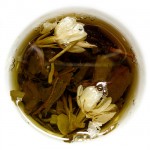
Tea season has come around sooner for me this year with this chilly September. Most of the tea that I drink is probably made in China. I like to drink jasmine tea mostly, but sometimes I’ll have green tea. And I drink A LOT of tea in the winter, so it got me thinking about what kind of impact that has.

Continue reading →
Last friday, I volunteered at the Solar-Powered Film Series hosted by Solar One and Green Edge NYC. I found out about this event from Green Edge NYC (specifically Patricia Curry). It was great to meet up with people doing great work in New York regarding sustainability and community outreach! Thanks should go out to both organizations who put on a great series!
This night’s film was The Garden, about a group of urban farmers in L.A. who started their 14 acre garden after the riots in 1992. They go through some hardship starting in 2004 when they have to fight to prevent eviction.
It was an emotional film! It was frustrating how unsympathetic to farming the people trying to get the land were. The community went through several legal difficulties during their fight. I felt worked up about protecting the plants and the relationship that the people developed with the plants, more than the human interests involved. So many of the trees they planted were producing fruit and took many years to reach that point, and the community gained so much from their relationship with the land. But if you watch the film, you will see what happened. The film also brings to the fore the reality that many groups are constantly in conflict with each other because of things like land and development. There are many ways that things could have gone, and the film documents this journey.
Here is a video/slideshow that I made from the pictures and video I took of the events:
Continue reading →
Recent comments
Tag Cloud
academia activism behavior climate change CNN conservation development Earth Institute ecohealth EcoHealth Alliance ecology economy education energy environmental decisions evolution fall farming food geography Google graduate students greenanswers.com green building human-environment conflict In Defense of Food Internet journal article knowledge LEED Michael Pollan music Nature New York nutritionism NYT policy recycling Science scientific literacy sociology summer urban farming vertical farming Wikinomics